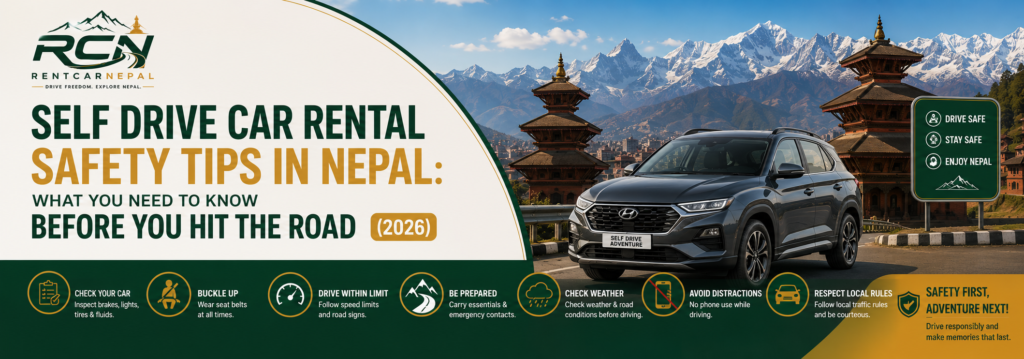
Self-drive car rental in Nepal offers freedom, flexibility, and the ability to explore the country’s stunning landscapes at your own pace. Whether you’re planning a weekend getaway to Nagarkot, a road trip to Pokhara, or a wildlife adventure in Chitwan, renting a car gives you complete control over your journey. However, before you hit the road, safety should be your top priority.
Nepal’s roads can vary dramatically from modern city highways to winding mountain roads. Weather conditions, traffic patterns, and road infrastructure may also differ from what many travelers are used to. The good news is that with proper preparation and awareness, self-drive travel in Nepal can be both safe and enjoyable.
In this guide, we’ll cover everything you need to know to ensure a safe and stress-free self-drive experience.
Understanding Self Drive Car Rentals
A self-drive car rental allows you to rent a vehicle and drive it yourself without hiring a chauffeur. This option is becoming increasingly popular among:
- Tourists seeking independence
- Couples planning road trips
- Families traveling together
- Business travelers
- Adventure seekers
Unlike guided tours, self-drive travel allows you to:
- Create your own schedule
- Stop whenever you want
- Explore hidden destinations
- Travel privately
- Control your travel costs
Before booking, it is important to understand both your responsibilities and the rental company’s policies.
Read the Rental Agreement Carefully
Many travelers overlook this step. Before accepting the vehicle, carefully review:
- Insurance coverage
- Damage liability
- Fuel policy
- Cleaning requirements
- Mileage restrictions
- Security deposit conditions
Understanding these terms can prevent misunderstandings later.
For a complete overview of rental requirements, read our guide on Documents Required for Car Rental in Nepal.
Essential Safety Preparations
Preparation is the most important part of a safe road trip. Before starting your journey, take time to inspect the vehicle and plan your route.
Inspect the Vehicle Thoroughly
Never drive away without inspecting the vehicle.
Check Exterior:
- Scratches
- Dents
- Tire condition
- Windshield cracks
- Lights and indicators
Take photos or videos of the vehicle before departure. This helps avoid disputes when returning the vehicle.
Check Safety Equipment
Confirm that the vehicle contains:
- Spare tire
- Jack and wheel tools
- First aid kit
- Emergency contact information
These items can be invaluable during emergencies.
Understand Vehicle Controls
If you’re renting an unfamiliar vehicle, especially an EV, take a few minutes to learn:
- Headlight controls
- Wiper controls
- Charging port location
- Parking brake operation
- Navigation system, never assume every vehicle operates exactly the same way.
Plan Your Route in Advance
One of the biggest mistakes travelers make is relying entirely on GPS before leaving:
- Review your route
- Check road conditions
- Identify fuel or charging stations
- Save offline maps
This is particularly important for mountain routes and remote destinations.
Drive Defensively
Traffic conditions in Nepal can be unpredictable expect;
- Sudden lane changes
- Motorcycles passing closely
- Pedestrians crossing unexpectedly
- Livestock on rural roads
Maintain a safe following distance and remain alert at all times.
Avoid Night Driving
If you’re unfamiliar with Nepal’s roads, avoid driving after dark whenever possible reasons include;
- Reduced visibility
- Limited road markings
- Unexpected obstacles
- Mountain road hazards
Daytime driving is significantly safer, especially for first-time visitors.
Respect Speed Limits
Driving too fast is one of the most common causes of accidents maintain safe speeds based on;
- Road conditions
- Weather
- Traffic
- Visibility
Arriving safely is always more important than arriving quickly.
Take Breaks During Long Trips
Fatigue affects reaction time and decision-making for trips such as;
- Kathmandu to Pokhara
- Kathmandu to Chitwan
- Kathmandu to Lumbini
Plan regular breaks every 2–3 hours.
Stay hydrated and avoid driving when tired.
Be Extra Cautious on Mountain Roads
Mountain roads require special attention key tips:
- Use lower gears on descents
- Avoid sudden braking
- Slow down around blind corners
- Watch for falling rocks during monsoon season
- Watch for local and animals
Patience is essential when driving in hilly regions.
EV-Specific Safety Tips
Electric vehicles are becoming increasingly popular in Nepal. If you’re renting an EV:
Keep Battery Above 20%
Avoid allowing the battery level to drop too low. Plan charging stops before beginning long journeys.
Know Charging Locations
Identify charging stations along your route before departure. Popular EV routes include:
- Kathmandu–Pokhara
- Kathmandu–Chitwan
- Kathmandu Valley tours
Understand Regenerative Braking
Many first-time EV drivers are unfamiliar with regenerative braking. Spend time getting comfortable with how the vehicle behaves before entering heavy traffic. For more details, read our guide on Electric Car Rental Nepal – Complete EV Guide (2026).
Emergency Situations: What to Do
Even with preparation, unexpected situations can occur.
In Case of a Breakdown
If your vehicle develops a problem:
- Pull over safely
- Turn on hazard lights
- Contact the rental company
- Follow roadside assistance instructions
Most professional rental companies provide emergency support.
In Case of an Accident
Remain calm and steps to follow:
- Ensure everyone is safe
- Contact emergency services if needed
- Notify the rental company immediately
- Document the scene with photos
- Collect contact information from involved parties
Never leave the scene without proper documentation.
Refuel or Recharge as Required
Review your rental agreement regarding:
- Fuel return policy
- Charging requirements
- Return battery level
Returning the vehicle according to the agreed terms prevents extra fees.
Clean the Vehicle
Most rental companies expect reasonable cleanliness.
Remove:
- Trash
- Food containers
- Personal belongings
Excessive cleaning requirements may result in additional charges.
Conduct a Final Inspection
Before returning the vehicle:
- Check for new damage
- Photograph the car
- Confirm fuel or battery levels
This protects both you and the rental provider.
Common Self Drive Mistakes to Avoid
Avoid these common errors:
- Ignoring rental policies
- Driving while tired
- Forgetting to inspect the vehicle
- Relying solely on GPS
- Running low on battery or fuel
- Driving aggressively in unfamiliar areas
- Skipping weather checks
Small mistakes can quickly become major travel problems.
Why Choose Rent Car Nepal?
At Rent Car Nepal, we prioritize customer safety and vehicle reliability.
We provide:
- Fully inspected vehicles
- EV and petrol options
- Transparent rental policies
- Roadside assistance
- Airport delivery
- Self-drive flexibility
Whether you’re exploring Kathmandu Valley or embarking on a longer Nepal road trip, we help ensure a safe and enjoyable travel experience.
Frequently Asked Questions
Yes. With proper planning, vehicle inspection, and safe driving habits, self-drive travel in Nepal is generally safe and enjoyable.
Tourists can drive safely if they understand local traffic conditions and follow road safety guidelines.
Night driving is generally not recommended for first-time visitors or travelers unfamiliar with Nepal roads.
Inspect tires, lights, brakes, body condition, safety equipment, and fuel or battery levels before departure.
Yes. Modern EVs are well-suited for most popular travel routes when charging stops are planned in advance.
Conclusion
Self-drive car rental gives you the freedom to explore Nepal on your own terms, but safety should always come first. By preparing properly, inspecting your vehicle, understanding road conditions, and following safe driving practices, you can enjoy a smooth and memorable journey. Whether you’re driving an EV through Kathmandu or taking a scenic road trip to Pokhara, the key to a successful adventure is simple: plan ahead, stay alert, and drive responsibly.